The Super Bowl Halftime Show

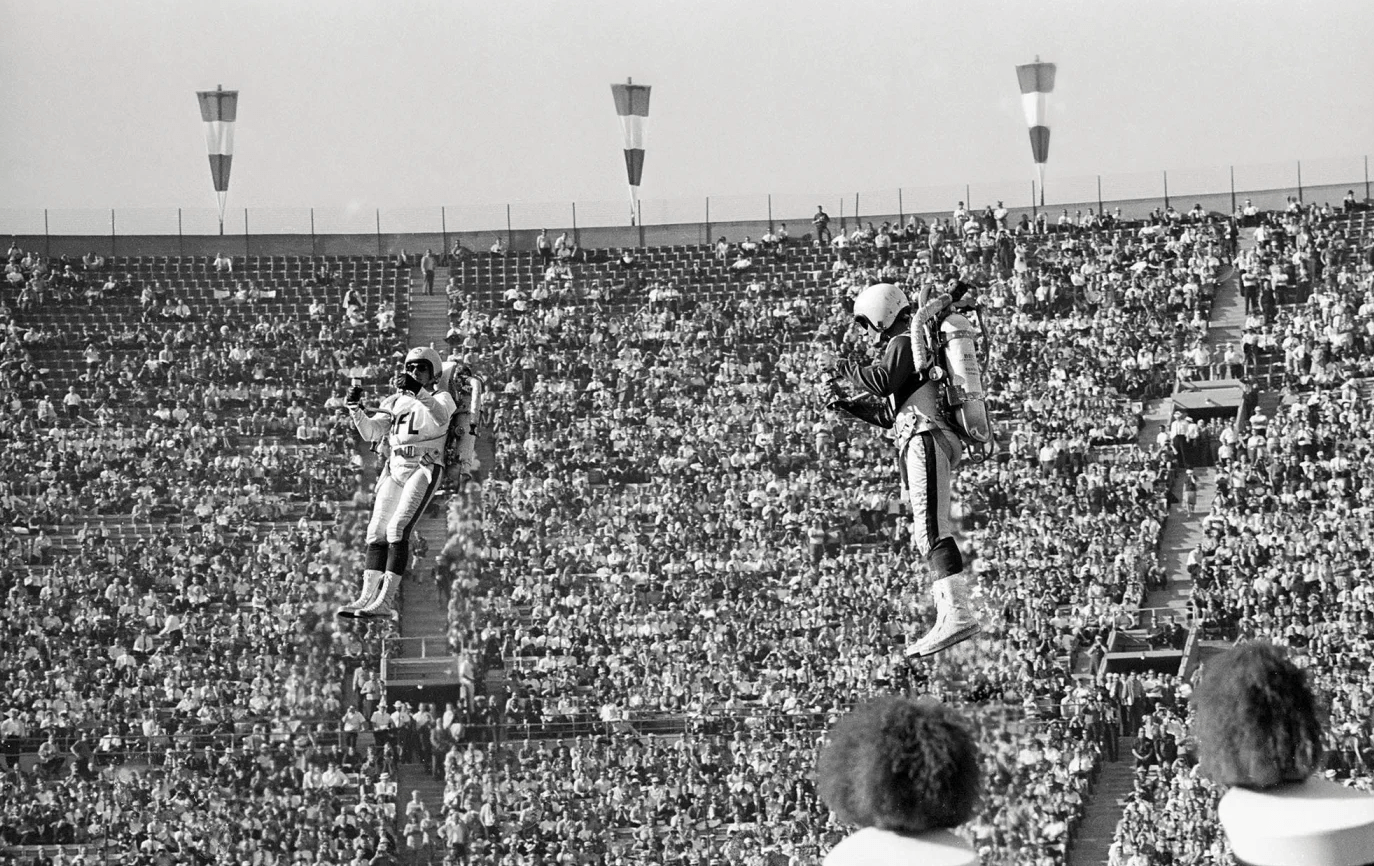
Super Bowl I, 1967, Los Angeles Memorial Coliseum, Los Angeles, CA, Jan. 15, 1967 (AFL-NFL World Championship Game). Photo credit: Sports Illustrated

The Super Bowl halftime show has become a visible and representative battleground, a historic stage upon which American ideals, injustices and cultural ideologies are exercised and contested. 

In this book project in progress, we argue that the halftime show–historically constructed as an entertainment spectacle–alerts us to larger cultural collisions, injustices and structures of power that at once reconfigure and reconstruct popular notions of American identity and the role and place of artists and athletes. 

Considered one of the most coveted stages in the world, the opportunity to perform at the Super Bowl halftime show, while unpaid, positions artists among a select and elite roster of musical acts and promises a key boost in post-performance artist sales. Through a close reading of the first sixty years of Super Bowl halftime shows, we explore the historical collisions between sports, music, activism and performance, and trace the evolution of the halftim show itself as it has evolved–from its former tradition of featuring local marching bands and drill teams to today’s highly-anticipated selections of global mainstream artists and pop stars.


SOV’s Super Bowl Halftime Show Archive

In the Media

“‘It’s become more about politics than music’: what will Bad Bunny bring to the Super Bowl?” by Adrian Horton (The Guardian)

The Sound of Victory: Politics of Performance at the Super Bowl Halftime Show” | Sound, Sport, and the Digital (Georgia Tech)

“What you should know about Bad Bunny's Super Bowl halftime show” by Anamaria Artemisa Sayre (NPR)

“Puerto Rico takes the field at the Bad Bunny Super Bowl” by Felix Contreras, Anamaria Artemisa Sayre, and Isabella Gomez Sarmiento (Alt.Latino)

Conference Presentations


Johnson, P.B., & Cox, C.M. (2025). “Anatomy of a Halftime Show: Behind the Scenes of the Most Watched Concert in America.” North American Society for the Sociology of Sport Conference. Seattle, WA.

Johnson, P.B., Cox, C.M., Love, J.K. (2025). The Super Bowl Halftime Show. Second Annual Sports & Activism Symposium. Vanderbilt Sports & Society Initiative and the James Lawson Institute for the Research & Study of Nonviolent Social Movements. Vanderbilt University.

Johnson, P.B., & Cox, C.M. (2022). “‘Do You Know What It Means to Miss New Orleans?’: Super Bowl Halftime Soundscapes in the Crescent City.” American Musicological Society/Society for Ethnomusicology Conference. New Orleans, LA.

Johnson, P.B., Cox, C.M., & Payton, P. (2022). “(Dis)Embodied Nation: Performing America at the NFL Super Bowl.” American Studies Association Conference. New Orleans, LA.

Johnson, P.B., & Cox, C.M. (2022).“‘Let’s Get Loud’: Gender, Identity, and ‘Economies of Visibility’ in the Super Bowl Halftime Show.” International Association for Communication and Sport Conference. Philadelphia, PA.

Johnson, P.B., & Cox, C.M. (2022). “‘The World’s Biggest Stage’: Performing America Through the ‘Acoustic Territories’ of the Super Bowl Halftime Show.” American Association of Geographers Conference. Virtual. 

Johnson, P.B., & Cox, C.M. (2019). “I said no to the Super Bowl”: The politics of performance and refusal in Super Bowl halftime shows, 1991 – 2018. Cultural Studies Association Conference. New Orleans, LA.

Johnson, P.B., & Cox, C.M. (2019). “Superbowling” for change: The acoustic territory of the Super Bowl halftime show. Sports Communication and Social Justice Pre-Conference. International Communication Association 69th Annual Conference. Washington, D.C.